
As regulatory standards evolve, many physician practices are asking an important question: How does USP <797> impact the way we prepare allergen immunotherapy (AIT) in our office?
Whether you are currently mixing allergy extracts on site or considering adding immunotherapy services to your practice, understanding USP <797> is essential for patient safety, compliance, and operational efficiency.
Below is a practical overview of what USP <797> is, why it matters, and how it applies specifically to allergen immunotherapy prepared in physician practices.
What Is USP <797>?
USP <797> is a chapter within the United States Pharmacopeia that establishes standards for sterile compounding. Its primary goal is to protect patients by reducing the risk of:
- Contamination
- Infection
- Incorrect strength or composition
- Improper storage or beyond-use dating
These standards apply to any compounded sterile preparation (CSP), including injectable medications prepared outside of a traditional pharmacy setting.
Why USP <797> Applies to Allergen Immunotherapy
Subcutaneous allergen immunotherapy (SCIT), also known as allergy shots, involves injectable preparations, which places it within the scope of USP <797> when allergen vials are prepared in the practice.
If a practice:
- Dilutes allergen extracts
- Combines multiple allergens into patient-specific treatment vials
- Stores prepared vials for future administration
USP <797> standards must be considered as part of routine operations.
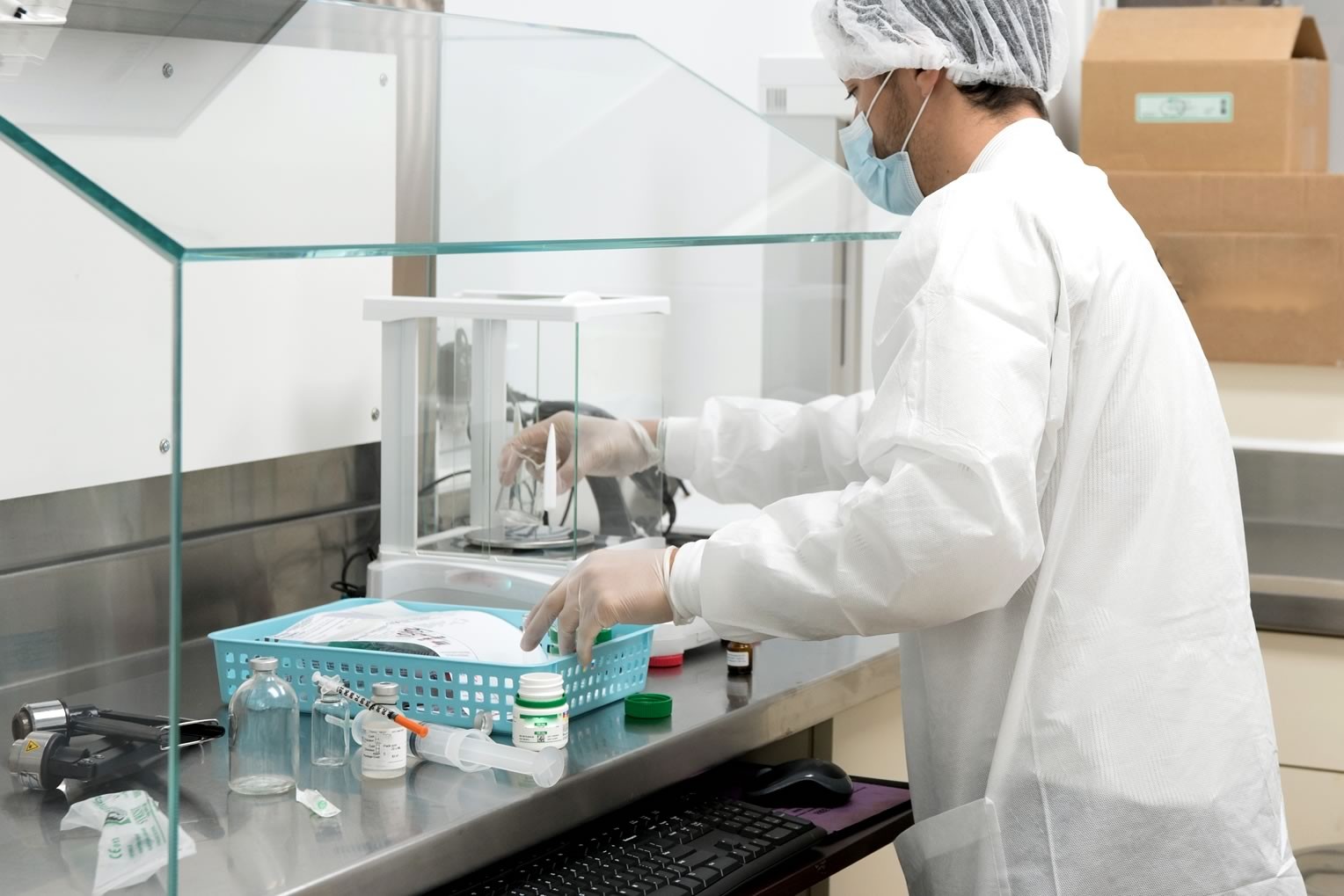
Key USP <797> Requirements That Affect Physician Practices
1. Designated Compounding Environment
Practices preparing allergen immunotherapy should use a designated space that minimizes contamination risk. Depending on the preparation process, this may include:
- A clean, controlled compounding area
- Defined cleaning and disinfection procedures
- Environmental controls appropriate to the level of risk
Many practices successfully meet these expectations through standardized workflows and clearly defined preparation areas.
2. Personnel Training and Competency
USP <797> requires individuals involved in sterile compounding to demonstrate ongoing competency, including:
- Aseptic technique training
- Glove fingertip testing
- Media fill testing
- Routine reassessment and documentation
These requirements apply to any staff member preparing allergen immunotherapy, including nurses and medical assistants.
3. Beyond-Use Dating and Storage
Prepared allergen immunotherapy vials must follow specific guidelines for:
- Beyond-use dating
- Refrigeration and temperature monitoring
- Labeling and traceability
Clear protocols and consistent documentation help ensure patient safety and regulatory alignment.
4. Documentation and Quality Oversight
USP <797> emphasizes documentation to support safe and consistent preparation, including:
- Standard operating procedures (SOPs)
- Cleaning and temperature logs
- Training and competency records
- Compounding and administration documentation
When integrated into daily workflows, these requirements can be managed efficiently without disrupting patient care.
Common Challenges for Physician Offices
Maintaining USP <797> compliance requires thoughtful processes and ongoing oversight, including:
- Dedicated preparation protocols
- Regular staff training and competency validation
- Consistent quality assurance practices
With properly trained personnel, standardized workflows, and compliant processes, physician practices can successfully prepare and administer allergen immunotherapy on site while meeting USP <797> expectations.
A Practical Self-Assessment for Physician Practices
As practices evaluate how allergen immunotherapy is prepared and supported in their office, it can be helpful to step back and assess a few operational considerations:
1. Is this the best use of your clinic staff’s time?
Preparing allergen immunotherapy requires attention to detail, documentation, and adherence to sterile compounding standards. Practices should consider whether staff time is best spent on preparation tasks or focused on direct patient care and clinical flow.
2. Are your staff members trained and capable of performing these tasks consistently?
USP <797> requires demonstrated competency in aseptic technique, ongoing training, and routine validation. Ensuring staff are properly trained—and remain current as standards evolve—is essential to maintaining compliance and patient safety.
3. Do you have the documentation in place to support an audit?
Comprehensive documentation is a core component of USP <797>, including training records, environmental logs, temperature monitoring, and preparation documentation. Practices should evaluate whether their current processes would stand up to external review or audit. Audits could be requested by a government agency or insurance company verifying compliance for claims.
4. Is a “do-it-yourself” approach the most economical long term?
While preparing immunotherapy internally may appear cost-effective initially, the actual cost includes staff time, training, oversight, documentation, compliance management, and opportunity costs with your staff.
This is where many practices find value in partnering with programs that provide USP <797> trained clinical staff and proven, compliant workflows—allowing allergy services to remain in-office while reducing operational and compliance burden.
Supporting Compliant, In-Office Allergy Care
USP <797> does not have to be a barrier to offering allergen immunotherapy in your practice. With the right support, practices can confidently provide allergy testing and treatment on site while maintaining high standards for safety, quality, and compliance.
United Allergy Services partners with physician practices to support USP <797> compliant allergen immunotherapy, providing:
- Clinically trained staff with documented USP <797> competency
- Standardized compounding and administration workflows
- Ongoing quality assurance and documentation support
- Operational guidance that integrates seamlessly into your existing practice
The result is a sustainable, compliant allergy program that allows physicians to focus on patient care—while knowing their immunotherapy services are supported by trained professionals and proven processes.
If you’d like to learn more about how we support compliant, in-office allergy testing and immunotherapy, we’re happy to connect.
You may also be interested in . . .

The Primary Care Practice Crisis: It’s Time to Play Offense
In an article published in Medical Economics, Brad J. Scoggins, FO, DAAP contends that it’s not enough for medical practices to counter adverse market…

Maximizing Your Practice by Minimizing the Leakage
Does your medical practice have leaks? Is your growth hindered by “lost business” that negates the full impact of new patient growth? One of my favorite…

Why Offer Allergy Care Services in Your Medical Practice?
More than 100 million Americans suffer from environmental, seasonal and perennial allergies, including ragweed, pollen, dust mites and animal dander. In…